Screenshot 2024-07-01 at 17.34.44
Independent-Practical-Global / Editor Jan P. Hagberg. / Technically responsible: Aleksander K Weseth

Roots:
Page 1

About the author

From: ChatGPT and Wikipedia, the free encyclopedia:

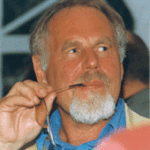
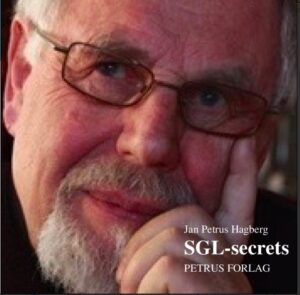
Jan Petrus Hagberg (born 20 April 1939 in Halden ) is a Norwegian priest , author and a well-known leadership developer.

Who He Is

Jan Petrus Hagberg is a Norwegian priest, author, and leadership developer. –  As young boy he began his leadership career as a patrol leader in the YMCA scouts. An important milestone as a youth leader was the YMCA World Conference in Paris in 1955, where Hagberg was a youth delegate. – It was here that he became interested in theology. 11 years after he took the theological master degree / University in Oslo ( UiO) in 1967 and was then a naval chaplain in Ramsund, before he was engaged as editor and youth pastor in Norway’s Christian Youth Association / YMCA –  Hagberg was substitute priest on Svalbard in 1970/71 and head of the hospital chaplaincy service at the University Hospital in Tromsø 1971-1976 before he become student priest at the University of Oslo in 1976. From 1983 he was resident chaplain in Oslo Cathedral. and from 1987 – 1989 a research fellow at the Norwegian Leadership Development Council (Lederutviklingsrådet, LoR), – which was the beginning of his coaching career in the norwegian public and private sectors.
Additional Background
  • Hagberg has been a member of the Norwegian Nonfiction Writers’ Association and the Norwegian Association of Clergy, supporting his position as a nonfiction author.
  • He has also served in leadership roles in several organizations (including European YMCA – Vice President) and initiated an EEA Grants project related to communication and support within the Norwegian Club in Portugal, aimed at Norwegian emigrants.
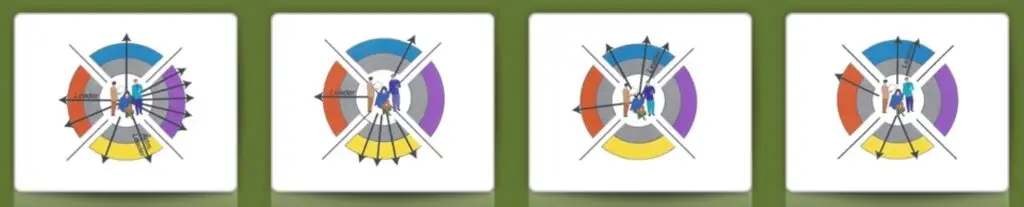
In the late 1980s, Hagberg began working with management development and Coach for larger Norwegian companies.  – As a management developer, Hagberg has, among other things, been responsible for the development of the communication tool SGL (Secrets of Geoup Leadership). [ 4 ] SGL use an alfabet of 15 icons conected to a color language to describe communication. [ 5 ]

Authorship and Nonfiction Works

Hagberg has authored several books, many of which are nonfiction works combining reflections on life, faith, leadership, and existential themes. According to available bibliographic sources, his publications include:
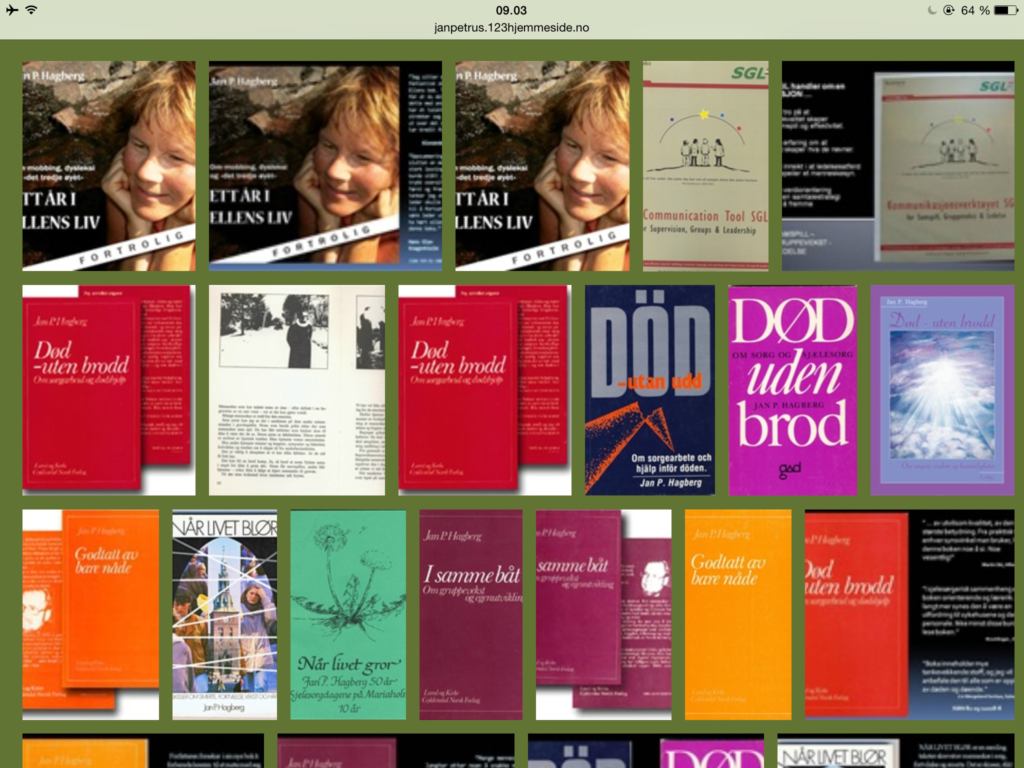
  1. Death – Without a Sting: About Grief Work and Euthanasia (1977), addressing grief processes and ethical issues related to the end of life.
  2. In the Same Boat (1980), focusing on group development and personal growth.
  3. Accepted by Only Grace (1982), presenting theological reflections.
  4. When Life Bleeds: Sketches of Pain, Despair, Growth and Hope (1985), offering reflections on human experience.
  5. SGL – for Interaction, Group Growth and Management (1998), addressing leadership, communication, and relational processes in groups.
  6. A Year in Ellen’s Life: About Bullying, Dyslexia and “the Third Eye” (2008), a fact-based account of dyslexia, bullying, and personal struggle, written in collaboration with Ellen Strøm and based on her experiences.
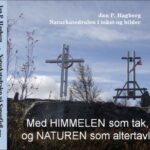
  7. The Natural Cathedral at Sangefjell (2019), a book exploring symbolism, form, and meaning in nature, connected to the Nature Cathedral at Sangefjell, Rødungveien, Ål in Hallingdal.
  8. In addition, more recent material related to his own leadership models and reflections is available through his platform: www.sgl-secrets.com

in His Nonfiction Writing

  • Leadership and group development – especially through the SGL methodology, which he created and described in his work as a leadership developer.
  • Personal development, psychology, and life experience – reflections on pain, hope, and human growth.
  • Church, faith, and existential questions – theology and Christian reflection are central in several of his early books.
  • Social issues – such as bullying and learning difficulties (for example dyslexia), presented with strong documentary content in A Year in Ellen’s Life.

SGL – The Human Language of Leadership

At the heart of Hagberg’s nonfiction lies a single, persistent question:
What enables human beings to grow together?
SGL — Secrets of Group Leadership — is not presented as a technique to be applied, but as a way of seeing. It emerges from lived encounters with groups, conflict, responsibility, and trust. Across his books, leadership is understood not as position or control, but as a shared human process — something that unfolds between people over time.

Groups as Living Systems

In In the Same Boat, the seed of SGL is already present. Groups are portrayed as living systems, shaped by mutual dependence rather than hierarchy. Responsibility is collective. Growth is relational. The leader is not above the group, but within it — accountable to the whole.
This relational understanding becomes the moral foundation of SGL:
that leadership begins with awareness of self, deepens through relationship, and matures through shared responsibility.

From Lived Experience to Structure

SGL – for Interaction, “Secrets of Group Leadership” – gives form to this understanding. Here, what was once intuitive becomes articulate. The book offers a language for interaction — a way to name patterns, tensions, and developmental movement within groups.
Yet even in its most structured form, SGL resists reduction to tools. Its purpose is not efficiency, but maturity. Not control, but coherence. It asks leaders to attend carefully to what is happening between people — and to themselves within that space.

Inner Life as Leadership Ground

Hagberg’s work on suffering, loss, and inner growth provides the deeper soil from which SGL grows. In When Life Bleeds, leadership is implicitly linked to vulnerability and endurance. Groups cannot mature beyond the emotional and ethical capacity of those who lead them.
SGL therefore assumes that leadership development is inseparable from human development. Authority without self-knowledge becomes brittle. Structure without compassion becomes empty.

Values, Meaning, and Responsibility

In his theological writings, particularly Accepted by Only Grace, the ethical core of SGL becomes visible. Human worth is not earned through performance. Responsibility arises not from power, but from belonging.
This value orientation quietly shapes SGL’s view of organizations: as communities of persons rather than systems of production. Leadership, in this light, becomes an act of stewardship.

SGL in the Social World

In A Year in Ellen’s Life, SGL’s human perspective meets social reality. The book demonstrates how systems can either support or diminish individuals — and how leadership choices matter, especially for the vulnerable.
Seen through the SGL lens, inclusion is not an initiative, but a consequence of mature group life.

A Language That Matures Over Time

In later reflections such as The Nature Cathedral at Sangefjell, SGL’s deepest impulse becomes clear: the need for spaces — in nature, in organizations, in leadership — where growth can happen without pressure.
Silence, reflection, and restraint are not opposites of leadership. They are its conditions.

SGL in Essence

SGL is not a method to master, but a language to inhabit.
A way of understanding groups as evolving relationships.
A reminder that leadership is always human first.
Across Hagberg’s writing, SGL stands as an invitation:
to lead with presence rather than control,
to grow with others rather than ahead of them
and to remain accountable to the shared journey.

NORWAY / BRASIL / PORTUGAL

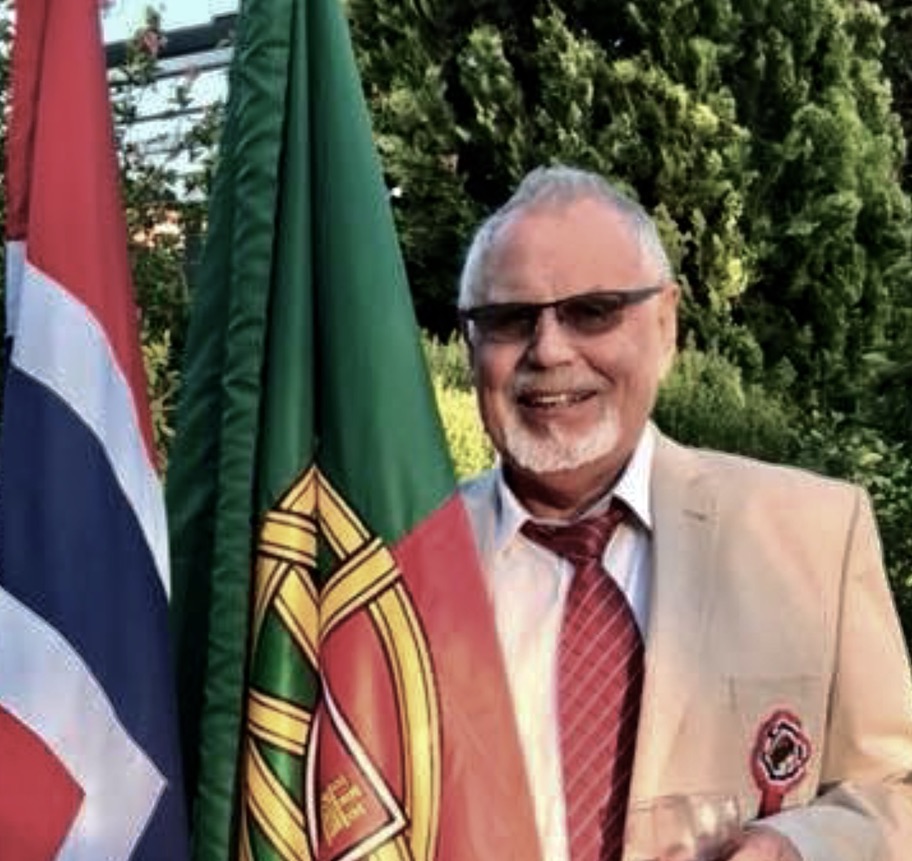
  • In 2006, Hagberg began his commuting life between Norway and Rio Grande do Norte in Brazil, by establishing his company Casa Creativa Brasil in Natal. – However, the business did not take off, and 2016, Hagberg moved to Portugal with his Brazilian family – as commutes, to be able to continue as Coach and CEO for Kreativitetshuset as / Norway.
    In 2018, he co-founded The Norwegian Club Portugal ( Clube Noruegues em Portugal ), and at the same time became the club’s president for the first four years. With support from EEA-Grants, he led the project “info-BANK” 2020 – 2022, the purpose of which was to create an immigrant lexicon for Norwegian “residencia” in Portugal.

Aleksander Weseth

Technically responsible:

Aleksander Weseth

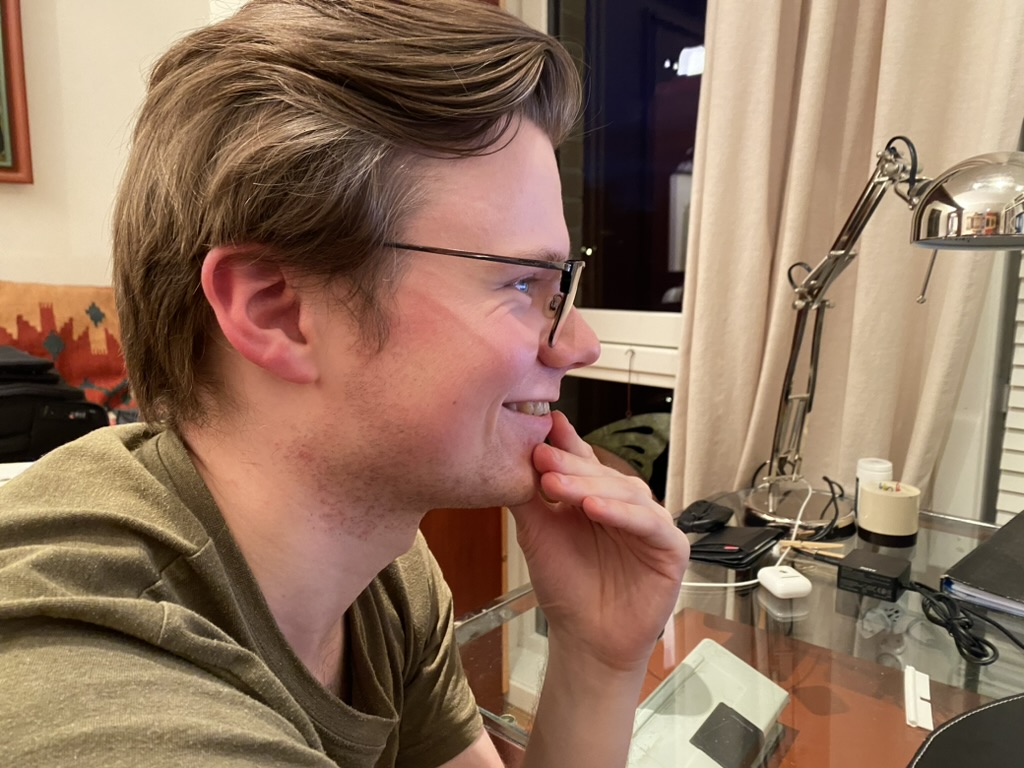
Aleksander was born and raised in Kongsberg, a city known for its technology and innovation, where his interest in computers and the internet was sparked through both friends and the local industry. In 2016, he moved to Oslo to explore new opportunities.

In 2020, he joined Light Structures AS, where he took on the responsibility of developing and maintaining the company’s websites. During this time, his interest in marketing grew, and he gained valuable experience through various Innovation Norway projects.

Looking ahead, Aleksander aims to deepen his knowledge in leadership and strategy. He finds it rewarding to contribute to the development of www.SGL-secrets.com – an international knowledge hub for leadership and personal development. – In his free time, he enjoys playing the piano for personal relaxation.