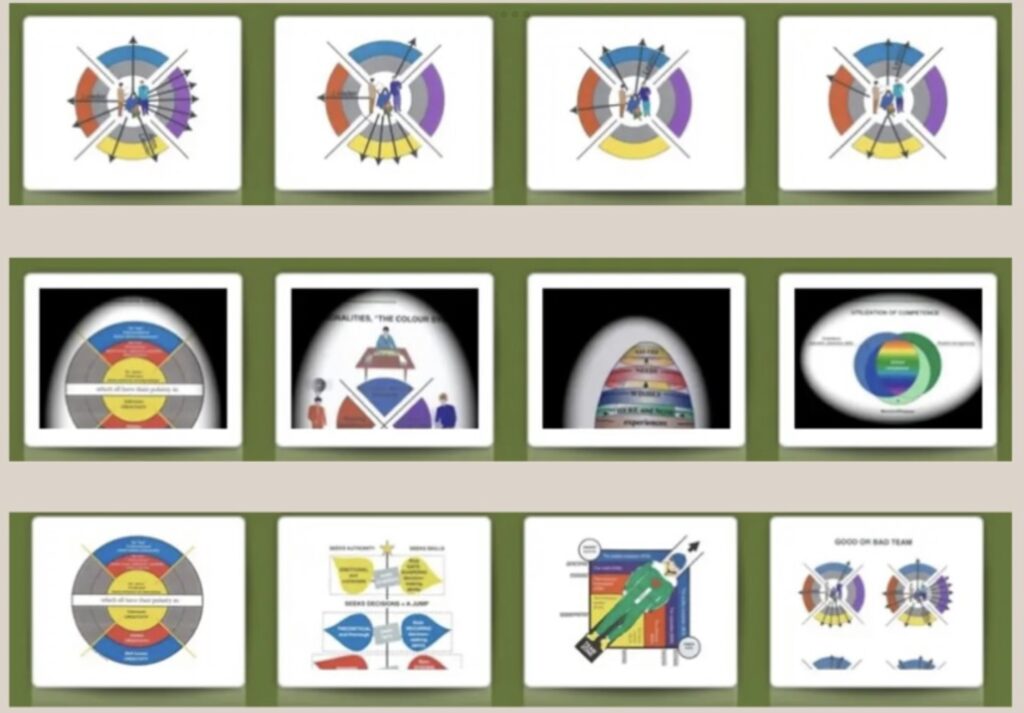
Screenshot 2024-07-01 at 17.34.44
Independent-Practical-Global / Editor Jan P. Hagberg. / Technically responsible: Aleksander K Weseth

SGL start up online -

SGL requires
active learning
to get started.

We have therefore made three simple and interactive introductory courses of about 30 minutes. Here is the first of which will help you:
  • to separate and understand the color language of blue,
    red, yellow and purple.
  • to recognize and remember the alphabet of 5 + 5 + 5
  • symbols.
  • to be able to use the four levels of the decision tree.
While we wait to get started in the new year, the website is open to all interested web-friends. –  Welcome to the community of SGL – secrets.com 
When you speak to communicate a message, you unconsciously shift between four different “frequencies.” In everyday language, we call them body language, head language, heart language, and gut language. Each one adds its own tone to your message, and together they strengthen what you want to say.
The purpose of “separating” and analyzing your message into these color-frequencies is to make the unconscious conscious—so you can present your message in the best possible way.
Spend the next three minutes reading Lesson 1.1
Then test yourself by finding two correct and two incorrect combinations in the squares that follow.

PRIVAT

GUT-feeling

Professional

BODY-language

PPP-body

HEAD-language

PERSONAL

HEART-language

After you’ve moved, adjusted, and tested all the options to find your correct answer, sit back comfortably in your favorite chair and listen to our first AI-generated podcast. It will guide you through the SGL Start-Up in an exciting and engaging way.
Then send us your feedback in the response box provided for comments and questions.
Best regards,
your SGL coach
Name

30 minutes:

Start up 2

The symbols SGL alphabet

SGL uses a color language with four colors—Blue, Red, Yellow, and Purple—along with an “alphabet” of 15 symbols/icons to illustrate its messages. In every illustration, the colors communicate the same underlying meanings, while the symbols are specific to each theme. Together, they create a three-dimensional message of content, color, and form—easy to remember and easy to communicate within any team or organization using SGL.
We learned about colors and message separation in Start-Up 1.
Now we will look at the first five symbols/icons used to illustrate the messages in Secret 1, 2, 3, 4, and 5.
Each symbol represents a blue, fact-oriented theme, while the colors express the dominant “language colors” in the processes

Spend the next 9 minutes

following the links and reading the LESSON Page of:
Secrets 01 –  Secrets-02 –  Secrets 03 – Secrets 04 – and Secrets 05
Then move the clumn text you believe is correct in each icon/image

Illustrate the symbol as:
Color language – Flow – Organisation – Decisions – Health

Illustrate the symbol as:
Color language – Flow – Organisation – Decisions – Health

Illustrate the symbol as:
Color language – Flow – Organisation – Decisions – Health

Illustrate the symbol as:
Color language – Flow – Organisation – Decisions – Health

Illustrate the symbol as:
Color language – Flow – Organisation – Decisions – Health

ENDING:

After marking your correct answer, sit back in your armchair and listen to our second AI-generated Podcast, which takes you through the use of SGL in an exciting way – then send us a feedback in the attached box for responses and questions.
Best regards, your SGL- coach

Name

20 minutes:

start up 3

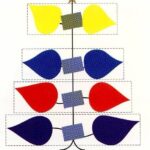
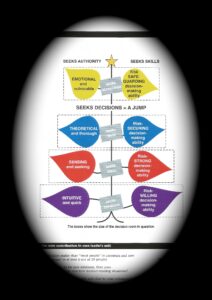
The decision's tree as symbol and icon

Your decision-making profile matters. Decision competence means knowing your strengths and weaknesses in critical situations. Your profile in unfamiliar situations can be:

  • observed and described (see the Belbin-inspired attachment on leadership styles),
  • identified through extensive questionnaires (see the link to Myers-Briggs), or
  • understood through the SGL method, which shows that your decision-making profile does not depend on knowledge or experience, but on your temperament – using just two simple but powerful questions.

Question 1


Think about your classmates in primary and secondary school.
In critical situations, did you usually react faster than most of them?   —–   YES / NO

Question 2

Think about your roles as a leader at different levels.
Do you prefer having a trusted assistant who is quicker than you?    ————     YES / NO

TAKE THREE MINUTES

TO IDENTIFY YOUR PROFILE

Follow the link to Lesson 4.1 and find your position — Yellow / Blue / Red / Purple — on the decision tree:

How SGL Works

The SGL method goes to the roots of human temperament to explain leadership styles.
Below you will see the difference between two approaches:
  • SGL describes four decision levels and eight decision roles on the decision tree.
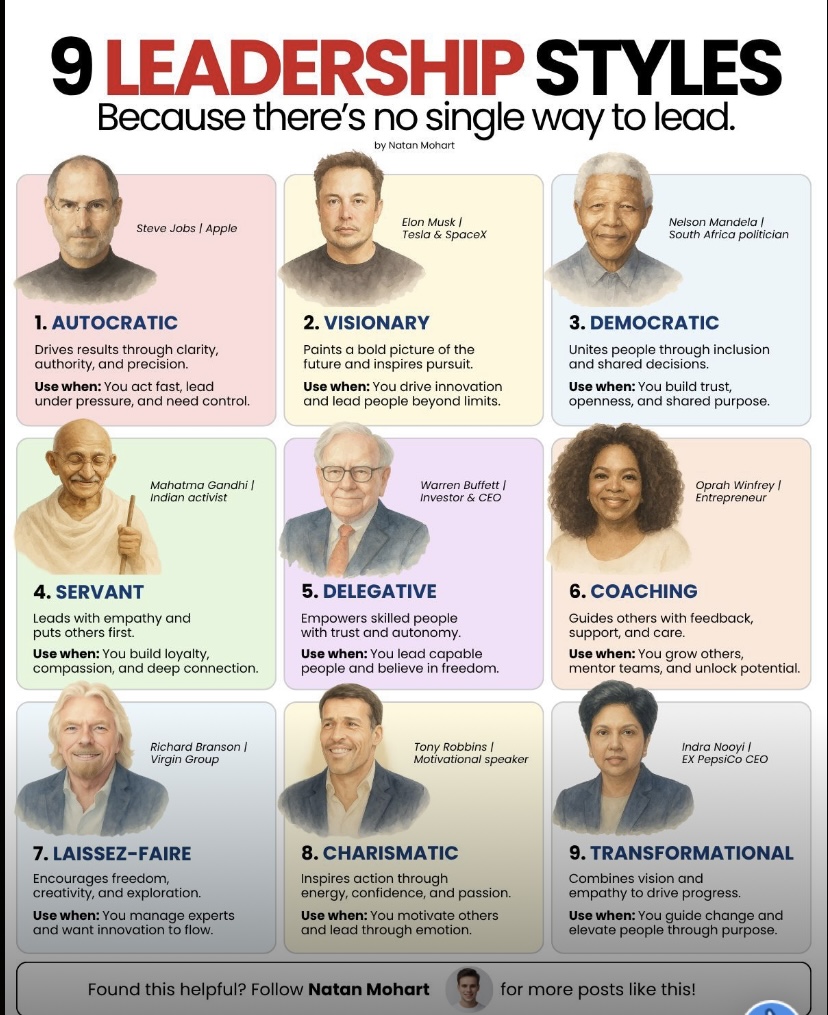
    Natan Mohart on LinkedIn uses nine observed leadership styles ( jfr. Belbin ) from famous leaders.
If you try to connect the two systems it can be an interesting and useful exercis.
We will therefore like to challenge you to take another three minutes
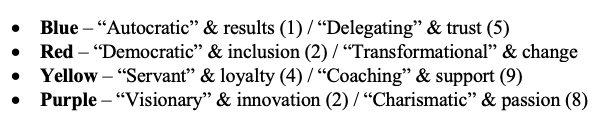
to “SGL-color-code” the observed leadership styles into Blue/Red/Yellow/Purple:

Well Done you can compare your suggestions with ours!

Screenshot 2025-11-23 at 16.17.29

What do you think about the process?
We would love to hear your comments

Name