lesson 8,1

TTT / the trippel test

Step 1

SAFTETY
needs to survive

Step 2

BELONGING
needs to connect

Step 3

TRUST
and renewal needs to grow and renews

The

Trippel

Test

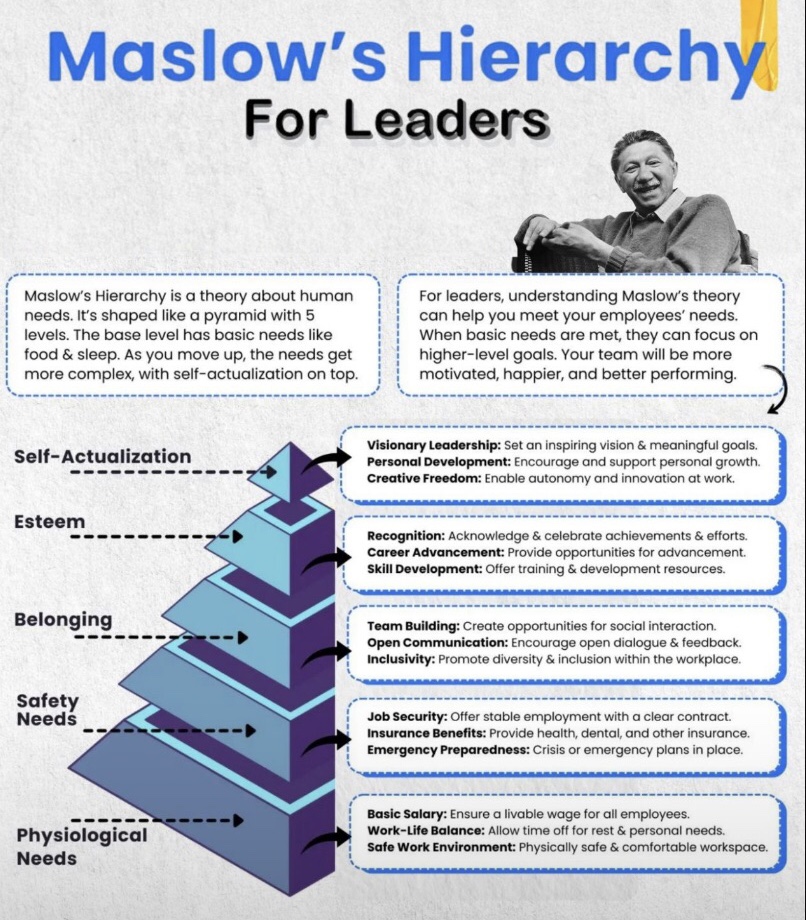
is an adapted simplification of Maslow’s
hierarchy of needs, inspired by Norwegian
work environment research and the Nordic
welfare model for shared value creation. 
In our work with leaders and organisations,
we found three fundamental levels
for success.
Each level calls for different colour
communication styles and leadership
approaches, shaping distinct organisational cultures
 

Maslow’s hierarchy of needs is the best-known theory among the need theories, developed by Russian-American psychologist Abraham Maslow in 1943.

An experience

My experience with SGL stems from a start up process at the Norwegian Tax Administration in the period 2004 – 2005. Jan P Hagberg introduced the SGL-method to the team, which was responsible for development and introduction a new solution for tax collection. In the period from 2007 to 2008 the new solution replaced old legacy systems nationwide. The solution, named SOFIE, has since then successfully been handling taxes collected from all persons and companies in Norway.
SGL-Ambassador: Petter Håndlykken

Value Creation — The Human Side of Results

Facts


When we talk about value creation, we mean actions and behaviors that lead to the results we truly want to achieve. In this sense, value creation goes far beyond ordinary performance goals. Just like competence is a deeper concept than technical knowledge, and equality is a broader idea than equal rights, value creation is about something more — about meaning and human interaction.

An example:

When the National Road Administration builds a new highway, it’s all planned according to budgets, blueprints, and measurable goals. But the real value isn’t just the asphalt — it’s what happens because of the road.
When people use that road to meet, trade, or connect, that is value creation.
The same principle applies in business. A company can invest in new machines and count them as capital, but the real value comes from the people operating them — and the collaboration that turns effort into results.
Value creation, then, is not the machines or the profit itself, but the interaction between people and tools that brings results to life.


Feelings

We all have a basic need to succeed. Nowhere is this more visible than in sports, where everything is measured in numbers — times, scores, goals. But in real life, things are not that simple.
A hospital that meets its budget is not necessarily the best for its patients.
A company obsessed with targets might not be the most innovative or creative.
In the end, success is emotional — it’s about meaning, motivation, and leadership.
To contribute positively, we need to move beyond the “performance culture” and toward a “value creation culture,” where communication and human understanding come first.

Reflections

Value creation is the key to success in any knowledge-based organization.
But not everything that matters can be measured.
The old saying “high tech – high contact” still holds true.
Real success depends on communication, creativity, and quality — supported by strong human connections and ethical standards.
In a world driven by information technology and AI, it’s still these close, human relationships that make real progress possible.

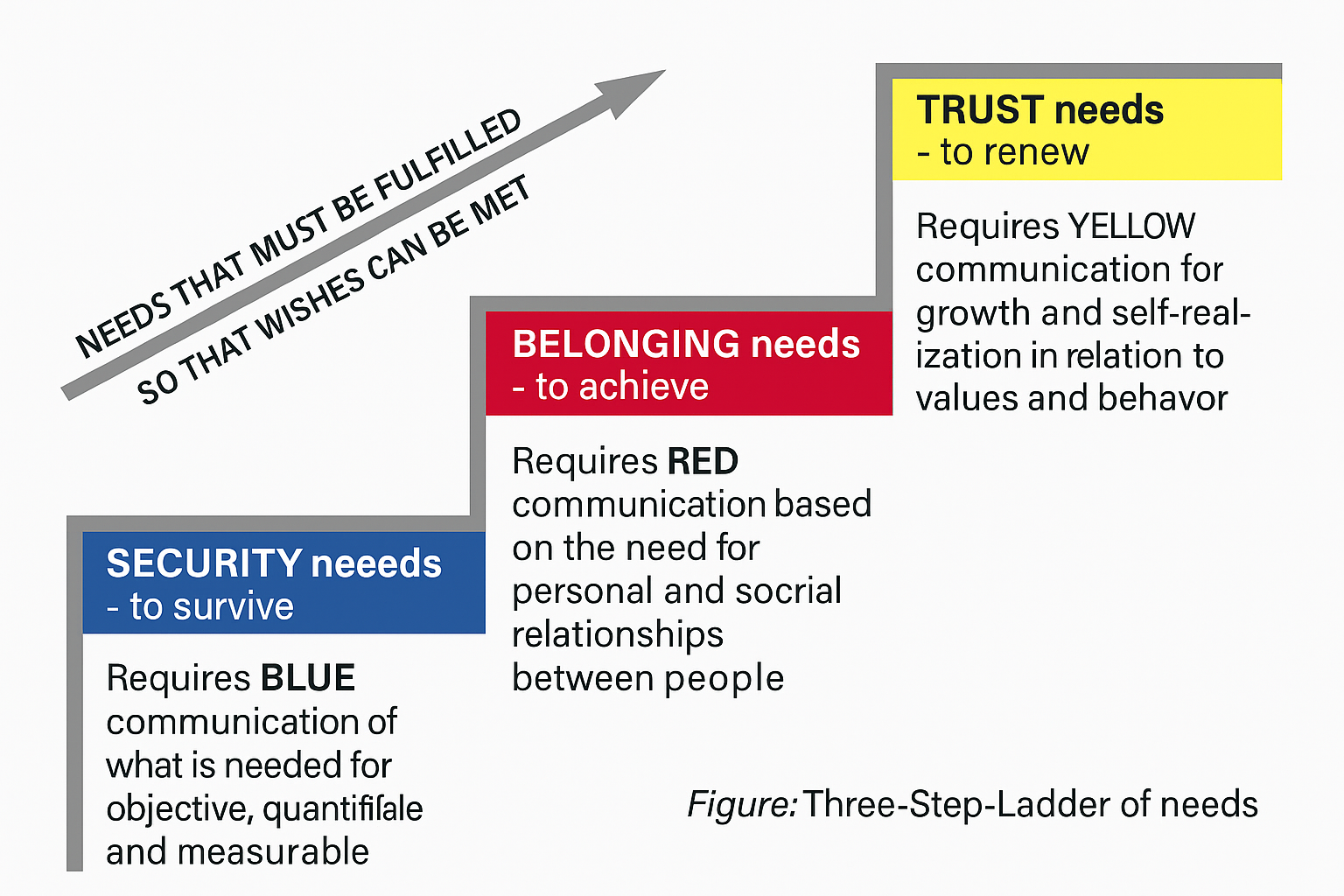
The Three-Step Ladder of Need

In our work with leaders and organizations, we have chosen to structure our research, interviews, and employee dialogues around three fundamental parameters for success: Basic needs – Belonging needs and Trust needs.
These needs can be grouped into a three-level hierarchy — similar to Maslow’s — moving from basic survival to renewal and growth.
Each level calls for different communication styles and leadership approaches, shaping distinct organisational cultures.
 1. Safety Needs (to survive)
Require blue communication, focused on objective facts, measurable values, and structured organization between people and systems.

2. Belonging Needs
(to connect and belong
Require red communication, based on personal and social relationships between people.
3. Trust and Renewal Needs (to grow and renew)
Require yellow communication, focusing on values, self-realization, and behavior.

But more about this in the

NEXT LESSON /  Secret 8.2.

Home Lesson 8,1

Find your working language.
Read through the three levels of the needs ladder and tick the level you think your workplace is dominated by. – Compare the results with
The-Triple-Test in Lesson 8.3

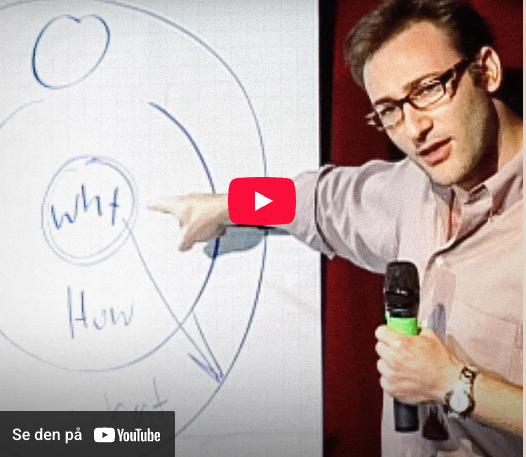
Simon Sinek

is an exciting storyteller and mentor whose approach is very close to SGL. Here is a feature that characterizes much of his thinking. Click to watch and listen to:

WHY
HOW
WHAT