lesson 9,3

5 KPI`s to recognise A WINNER TEAM

Do you feel wanted?
Do you have joint effort toward shared goals?
Do you communicate the best to each individual?
Do you practice ownership of one another’s tasks?
Do you share joy in colleagues’ life and success?

How ChatGPT desribe SGL
SGL Coaching and SGL Secrets is a people-first, values-driven leadership environment – not a standardized consulting firm.  – SGL focus on the human being behind the leader, asking what truly drives you and how you show up in relationships like the five Key Performance Indicators mentioned ahead. – SGL work starts with your goals and desired change, and unfolds through tailored processes rooted in real interaction. – Through close, long-term partnership, SGL build trust, belonging, and a shared leadership language across organizations.
Using proprietary SGL frameworks, SGL make culture, behaviour, and collaboration tangible. – The ambition is real transformation and stronger results – for leaders, teams, and the organization as a whole.


5 steps

to

"OSCAR"

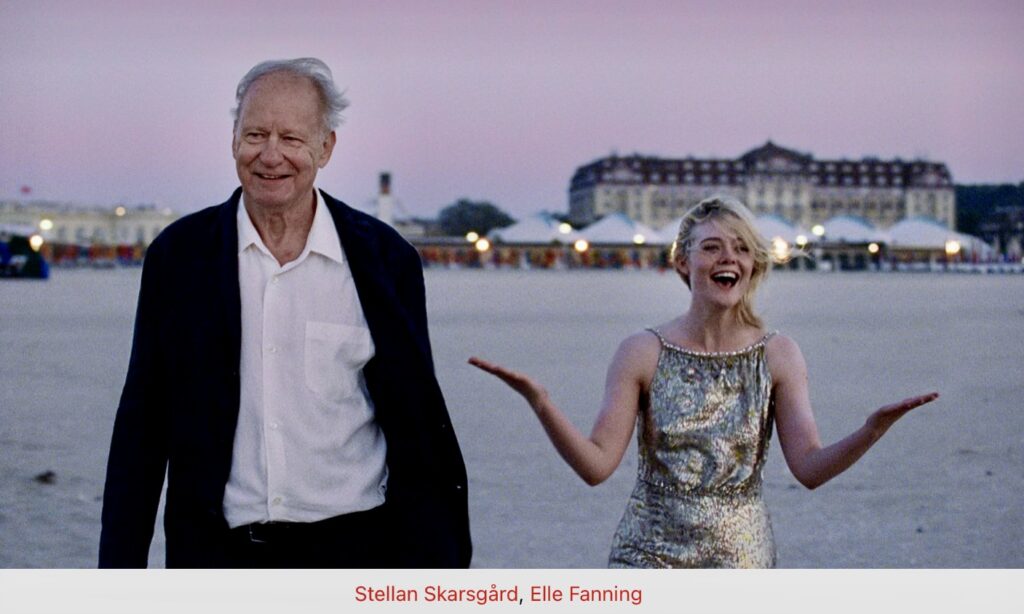
On Wednesday, January 29, 2026, I was invited to the national premiere in Lisbon of the Oscar-nominated Valor Sentimental, directed by the Norwegian filmmaker Joachim Trier, hosted by the Royal Norwegian Embassy in Portugal.
It became an absorbing cinematic evening, shaped by a film team whose craftsmanship and emotional precision revealed how a distinctive director and a rare creative environment can give rise to an exceptional film.
The outer narrative is deceptively simple. The principal voice belongs to an old, red-brown Swiss-style villa, bearing witness to generations of inhabitants and their lives. While the façade is carefully polished, the inner world of events, emotions, and lived experience is exposed—naked, authentic, profound, and timeless. What unfolds has always unfolded, and will inevitably unfold again. This timelessness renders the story universal. Through the fusion of camera work and acting, performers and script merge into a renewed, enduring narrative that makes everything intensely alive and utterly ordinary in the present moment. Seated in the second row, I felt less like an anonymous cinema-goer and more like a participant in an intimate chamber theatre.
The narrative’s turning point emerges when the narrator’s voice, in a moment of despair, addresses the God who may or may not exist—pleading for forgiveness, acceptance, and belonging within the family he loves. And then something akin to a miracle occurs: Something once lost returns, and something new begins to take root in a young face that is difficult to forget.
I believe this film will endure. When cinema is lived rather than merely performed, each minute speaks more eloquently than a thousand words. I think this film came about along the way. The film became the script and the original script became the narrative itself – and far beyond what outsiders expect.
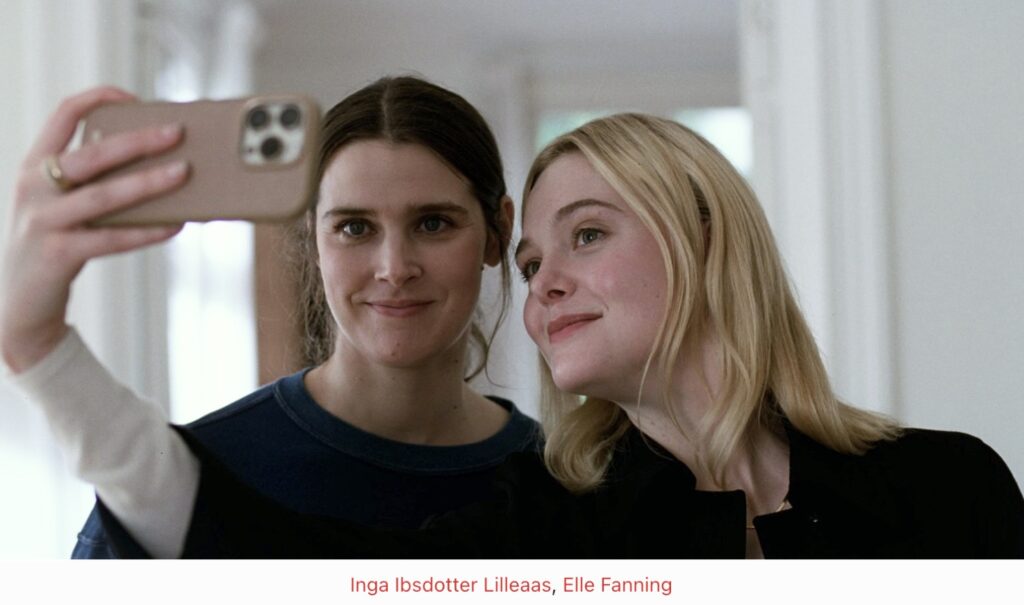
The result invites us to use images from the film’s trailer to illustrate the team development toward an “Oscar” nomination and international recognition.

First I will demonstrate WHY the film shows its Key Performance Indicators step by step.
Next I will tell you HOW you can bring a team or project group to their success.


vision and dreams

1) Pseudo Team 

A pseudo team can describe its task, but it does not focus on collective performance and is not really trying to work as a team.
In many organizations, pseudo teams are experienced as a burden.  Interaction takes energy away from individual performance without creating shared results

money and stories

2) Working Group

Members of a working group see no strong reason to become a team. They may share information, but:
  • responsibilities are individual
    goals belong to individuals
    results are measured individually
A working group can be efficient and effective, but it does not create true team performance.

promising and fake..

3 ) Potensial Team

A potential team has found a task it genuinely wants to solve together. However, the team may still need clearer answers about:
  • purpose
    goals
    work tasks
    ways of working
Collective responsibility is not yet fully established.

forgiveness and acceptance

4 ) Real Team

The biggest improvement in performance happens when a potential team becomes a real team. A real team consists of people with complementary skills who are committed to:
  • a shared belonging
    common acceptance
    a clear way of working each other good
Team members trust each other and hold one another accountable for results.

commitment and trust

5 ) High-Performance Team

This team meets all the criteria of a real team.
  • In addition, the members are deeply committed and trusted to each other’s personal growth and success.
    High-performance teams deliver results far beyond what outsiders expect.
    They serve as role models and benchmarks for other teams.
Such teams are powerful – and rare.

After analysing HOW the film and the story illustrate
the requirements of a High-Performance Team,
we will focus on HOW you can bring a team or project group to their success, following its Key Performance Indicators step by step.

1. step to win

Do you feel
wanted?

WANTED & CHOSEN

No growth factor is stronger than the experience of being truly wanted, chosen, and important for the task at hand.
  • Good Leadership understands this and communicates it by seeking out team members in their everyday work environment – explaining expectations, listening attentively, and responding personally, openly, and directly in red language to what each person feels and experiences here and now.
By giving focused attention, the leader builds each individual’s confidence to take on independent responsibility. Motivation and loyalty toward the leader – and the team – naturally follow.

2. step to win

Do you have joint
effort
toward
shared goals?

LEARNING & INSIGHT

Training, quality assurance, and identification in blue language with one’s own work and project tasks are essential for both well-being and results.
  • Good Leadership continuously monitors how employees perceive themselves in relation to challenges and skills.
  • By actively using the team zone diagram, the leader demonstrates a genuine desire to see, understand, and take responsibility for each person’s adjustment, growth, and development.
In this way, self-confidence and self-awareness are strengthened across the team.

3. step to win

Do you communicate the best to each individual?

IN THE SAME BOAT

Shared experiences – and a sense of shared fate – are powerful growth factors for belonging, especially when they are explored and interpreted together.
  • Experiences come alive and feel engaging when communicated in the “yellow” language of feelings.
  • They become factual and almost emotionally neutral when communicated in the “blue” language of facts.
  • Good Leadership knows this and therefore invites the team to regular sessions that focus on discovering a deeper truth: Which means – others experience much the same as we do.
By collaborating openly with an external supervisor or process consultant, good leadership shows the courage to be authentic and human with their own people

4. step to win

Do you practice ownership of one another’s tasks?

ACCEPTED

Mutual acceptance and support are among a group’s strongest quality factors. – Here, experience confirms that the individual truly matters to others.
  • Good Leadership knows this is demanding work. Therefore, performance appraisal is used consciously as a leadership tool, often in cooperation with an external supervisor when one’s own experience still feels “too young.”
  • After team sessions, the leader arranges individual follow-up conversations, highlighting each person’s decision-making patterns and strategies for mastery and influence.
In this way, the best possible teams take ownership of both their limitations and their untapped potential.

5. step to win

Do you share joy in colleagues’ life and success?

NEW GOALS

Delegating responsibility is a creative and dynamic growth force.
  • Good Leadership releases this energy by paying close attention to individual characteristics, temperament, team roles, and creative networks when new tasks are shared.
  • In this way, the best possible teams confirm that leadership in practice requires wisdom, self-awareness, and trust. -However, experience shows that delegation, autonomous and AI-dominated work processes with widespread use of home offices, –  require a strong organisational culture as the glue and framework for human resources.

Home Lesson 9,3

commitment and trust

This time the homework is provocative.
Do you dare to admit how your own team works?
Can you describe in three key words what characterizes your work environment, your team and your life?