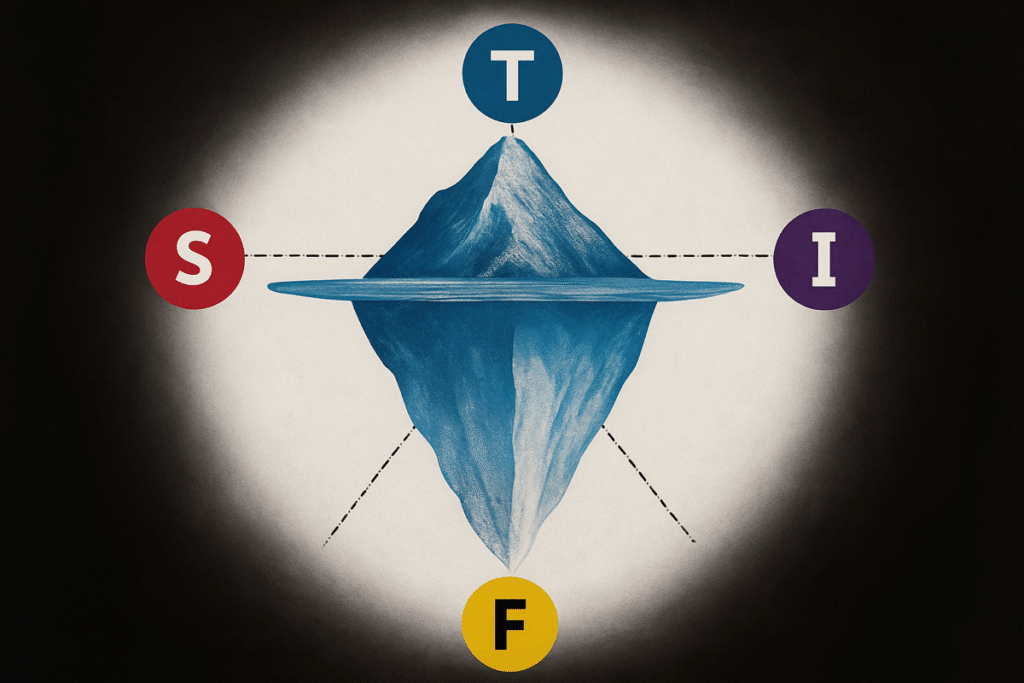
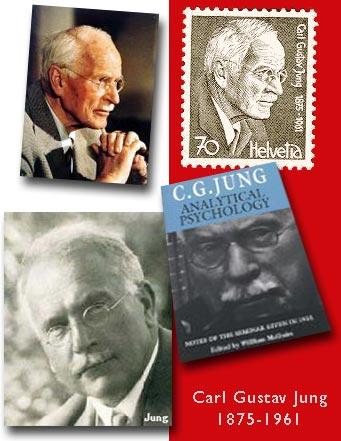
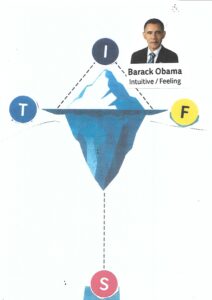
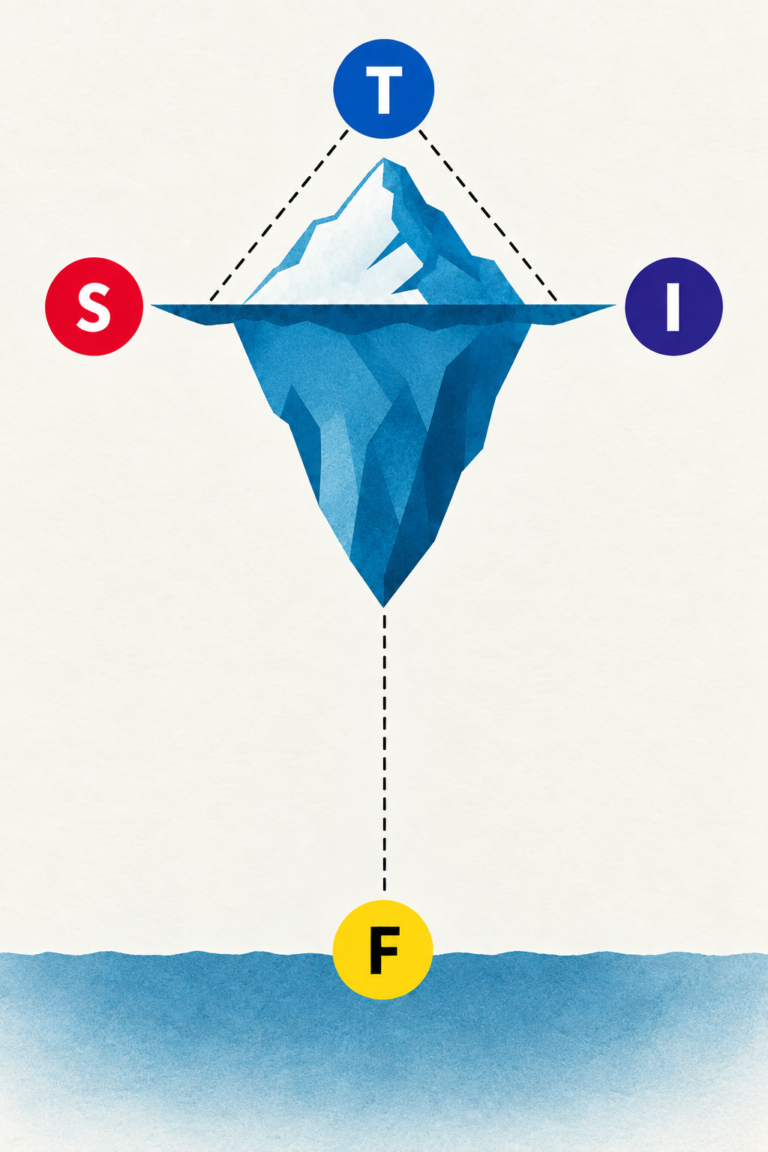
According to Jung, either Judging, – or Stimuli Funchtions, usually dominates your personality. It becomes your natural strength—the part of you that’s most visible and active in decision-making.
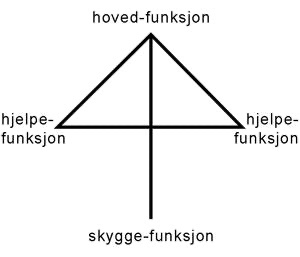
In the illustration (the iceberg), your dominant function is the top, what’s above the surface—what others see.
The other functions lie beneath, either as hidden strengths or weaknesses that only show up in stressful or unfamiliar situations.
Risk Management and Visible Leadership
Leading means making choices—even when the path is unclear. Some challenges feel familiar. Others are completely new. The way people respond depends on their temperament and how they handle risk –
Our experience shows that people tend to be along one of the two axes: Logical Judging /- which SGL call (L) , or Stimuli seeking Change Makers, which SGL call (S)
Revealing What’s Already There
By observing colleagues and working together, many people gain an unconscious sense of others’ decision styles. Over time, this recognition becomes a valuable guide to understanding the dynamics of a team.
With practice, we can make these patterns visible—and use them to lead better, collaborate more effectively, and make smarter decisions under pressure.